






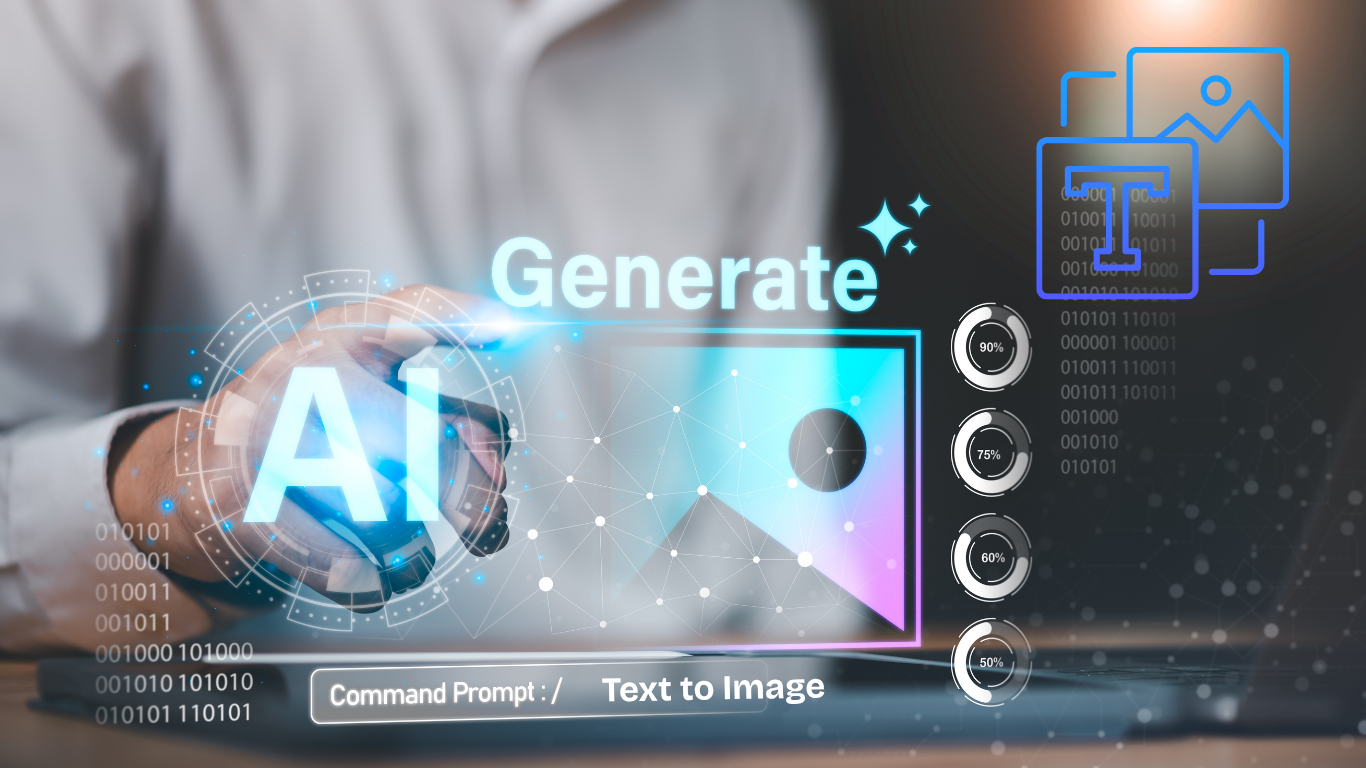
Visuals are now central to online communication. Strong images shape how people see your message—whether for a brand, business, or creative project. Where professional visuals once required complex software, artificial intelligence now turns simple descriptions into images.
We are now in a time when text-to-image AI transforms words into digital art. Compared to traditional design, these tools let anyone turn ideas into visuals in seconds. Each tool excels at a specific type of creative task, helping you find the right fit for portraits, marketing images, or fantasy scenes.
Now, let’s explore five AI tools that rose to the top during our review. These selections go beyond popularity—they deliver consistently outstanding results.
1. Midjourney — The Artist’s Playground
Midjourney is a digital space for visual creativity accessible via Discord. This tool generates high-quality, artistic images in response to text prompts, emphasizing details like light, texture, and atmosphere. Users can input simple or complex ideas and receive distinct, expressive visuals.
Midjourney is favored by photographers and designers seeking expressive imagery. Whether you prompt “a vintage editorial portrait” or “a dreamy neon cityscape,” the AI delivers visually poetic results that blur the line between realism and art.
Best for: High-end branding, fashion editorials, cinematic visuals
Why it stands out: Combines creative depth with stunning aesthetic accuracy
Try Midjourney here. It’s a creative space that brings your ideas to life with technology.
2. Leonardo AI — The Designer’s Studio
Leonardo AI offers users detailed control over their creative process through intuitive sliders and settings. You can customize aspects like lighting, composition, and color temperature for each image. The platform enables precise adjustments suited to personalized or branded visuals.
Leonardo AI serves game developers, marketers, and e-commerce brands who need custom visuals. It enables training of personalized models for consistent results and offers presets like ‘3D product render’ and ‘cinematic concept art’ to speed up image creation.
The interface is beginner-friendly but capable for advanced users. Leonardo balances automation and customization.
Best for: Product mockups, ad visuals, creative brand assets
Why it stands out: Balances technical control with design intuition
Try Leonardo AI here. It’s a tool that combines accuracy with creativity.
3. Ideogram — Where Text and Design Meet
Text rendering in AI image generation has been challenging, but Ideogram excels in this area. The platform smoothly blends text and visuals, creating finished designs like banners and posters from prompts such as “retro coffee shop logo with brown text and soft lighting.” Its seamless merging of text and visuals is ideal for fast marketing material creation.
Best for: Social media graphics, ads, branding materials
Why it stands out: Delivers crisp, readable text within visually appealing compositions
Try Ideogram here. It’s a great choice for creators who care about both images and text.
4. Adobe Firefly — The Professional’s Edge
Adobe has shaped digital design for years, and Firefly brings AI features to Photoshop and Illustrator. It is preferred by professionals needing reliable, safe tools. Firefly uses licensed Adobe Stock images, ensuring generated visuals are safe for commercial use—ideal for agencies, freelancers, and brands.
Features like Generative Fill and Text-to-Template let you edit, expand, or create visuals. You can do this without disrupting your existing design workflow.
Best for: Agencies, freelancers, professional branding projects
Why it stands out: Merges AI creativity with Adobe’s trusted design ecosystem
Try Adobe Firefly here and see how easily AI fits into professional design.
5. BlueWillow — The Hidden Gem for Beginners
BlueWillow is ideal for newcomers or those testing ideas, offering a free, user-friendly experience on Discord. Collaborate with others, or try concepts independently with ease.
BlueWillow may not match Midjourney’s photorealism, but its results are impressive for a free tool. Users share prompts, remix styles, and learn as a creative community.
Best for: Students, beginners, and hobbyists exploring AI creativity
Why it stands out: Delivers solid results for free while encouraging experimentation
Try BlueWillow here. It’s a friendly way to start exploring AI art.
How These Tools Were Ranked
To make this list, our editorial team evaluated dozens of AI generators. We used these criteria:
- Ease of use: How intuitive each interface feels to beginners and professionals.
- Image quality: Sharpness, composition, and realism of generated visuals.
- Creative flexibility: How well each tool adapts to different prompts and art styles.
- Practical application: Usefulness for creators, marketers, and business owners.
- Overall value: Balance between features, output, and pricing.
The rankings reflect our team’s direct experience after hands-on testing and side-by-side comparisons. Every tool here transforms ideas into visuals, with its unique strengths.
Final Thoughts: The Future of Visual Creativity
AI image generation is more than a new tech trend—it’s the next stage in visual communication. These tools enable anyone with an idea to create quickly and easily.
From artists and designers to entrepreneurs and content creators, the ability to turn words into art is changing storytelling, marketing, and expression. For example, Midjourney offers artistic drama, Leonardo gives fine design control, Ideogram excels at typography, Firefly integrates into professional workflows, and BlueWillow makes AI art accessible to newcomers. Comparing their strengths can help you choose the right solution for your goals.
So go ahead and start writing, imagining, and creating. Your next prompt could lead to the next big design.
Editor’s Note:
The five text-to-image AI tools listed above were independently tested and ranked by the editorial team based on creative quality, usability, and real-world results. The order represents the writer’s opinion — not paid promotion.